
Graphic Design Portfolio Indonesia: Examples, Types, and What Makes Them Work
Graphic design is the discipline of visual communication — using typography, imagery, colour, and layout to convey ideas, build brand identity, and influence behaviour. A professional graphic design portfolio demonstrates competency across categories: brand identity, print collateral, digital design, and typography. Quality is evaluated by conceptual clarity, technical execution, and the measurable business outcome the work achieved.
Key Takeaways
- Graphic design encompasses brand identity, print, digital, environmental, and motion design — each requiring distinct technical skills and a shared foundation in visual communication principles
- A strong design portfolio shows process as well as outcome — how a designer thinks, not just what they produced
- Brand identity design is the highest-value graphic design discipline for Indonesian agencies — it spans logo, colour system, typography, and brand guideline documentation
- Typography is the most technically demanding and most overlooked element of graphic design — typeface selection and typographic hierarchy determine readability and brand tone simultaneously
- Visual communication effectiveness is measurable — click rates, conversion rates, and brand recall studies all provide evidence of design quality beyond aesthetics
- The best Indonesian creative agencies present work in context — showing how a logo appears on packaging, signage, and digital applications rather than isolated on a white background
What Is Graphic Design? A Working Definition
According to the AIGA’s definition of graphic design, the discipline is the art and practice of planning and projecting ideas and experiences with visual and textual content. In practical terms, every visual artefact a business produces — its logo, its packaging, its social media posts, its signage, its website — is a graphic design output, whether designed intentionally or not.
The distinction between intentional and unintentional design is the commercial argument for investing in professional graphic design. An unintentional visual identity — a logo produced quickly, colours chosen without system, typography mixed across applications — communicates inconsistency and signals low investment to potential customers. An intentional identity — designed with coherent principles, applied consistently, and evolved deliberately — builds recognition and trust that compounds over time.
In Indonesia, graphic design as a professional service spans five primary categories: brand identity, print and collateral design, digital and UI design, environmental and display design, and motion and video graphics. A professional design portfolio demonstrates competency across at least two or three of these categories, with depth in the agency’s primary specialisation.
Graphic Design Portfolio Examples by Category
Brand Identity Design
Brand identity design is the most comprehensive and highest-value category in graphic design practice. It covers logo design, colour palette development, typography selection, icon and illustration systems, brand voice guidelines, and the production of a brand guidelines document that specifies how all elements are applied across every touchpoint.
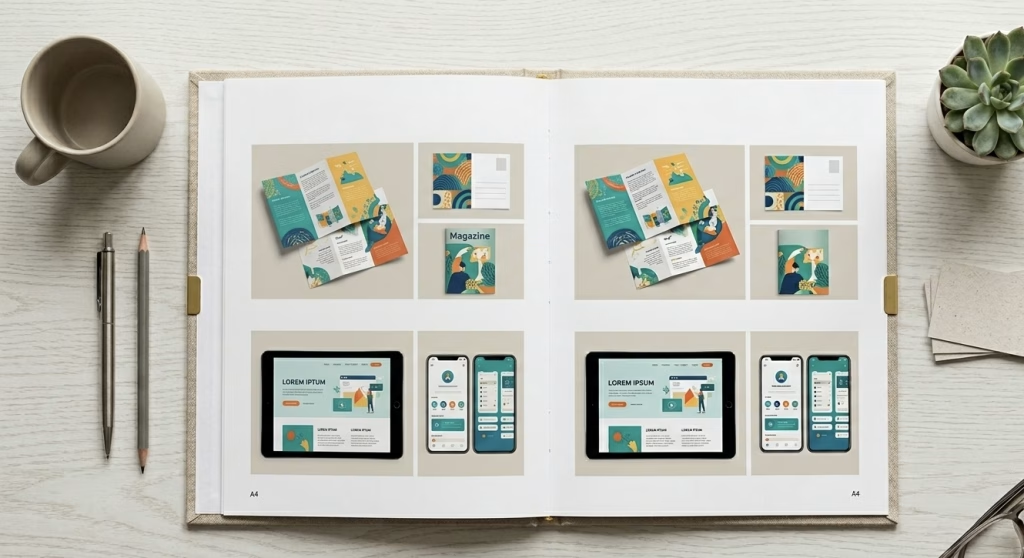
A strong brand identity portfolio entry does not show the logo alone. It shows the logo in context — on a business card, a packaging mock-up, a social media profile, and a signage application. It demonstrates how the identity adapts across different scales and media without losing coherence. The most compelling entries also show the strategic brief alongside the creative output — explaining what business problem the identity was designed to solve, not just how it looks.
For Indonesian businesses, brand identity work is most visible in F&B, fashion, and consumer goods — sectors where shelf presence, social media aesthetics, and packaging differentiation directly affect purchase decisions. Our branding and visual identity services cover the full brand identity process for Indonesian brands.

Print and Collateral Design
Print design covers everything produced for physical reproduction — brochures, flyers, posters, banners, packaging, annual reports, catalogues, and event materials. Despite the dominance of digital media, print collateral remains a primary communication channel for Indonesian businesses in retail, events, property, and professional services.
What distinguishes professional print design from amateur work is not visual complexity but technical precision. Correct bleed and safe zone specifications, CMYK colour management, appropriate resolution for the print size, and font handling (converting to outlines or embedding correctly) are the technical disciplines that prevent expensive reprints. A portfolio entry for print work should ideally show both the design file and a photograph of the physical printed output — the gap between screen and print is where professional expertise is most visibly demonstrated.
For print-specific technical guidance, our article on x banner design specifications covers the print resolution and colour mode requirements that apply across all large-format print work.

Digital and Social Media Design
Digital design encompasses social media content, website UI, email templates, digital advertising, and presentation design. In Indonesia, social media design is the most in-demand digital design service — particularly Instagram feed design, story templates, and LinkedIn content graphics for business audiences.
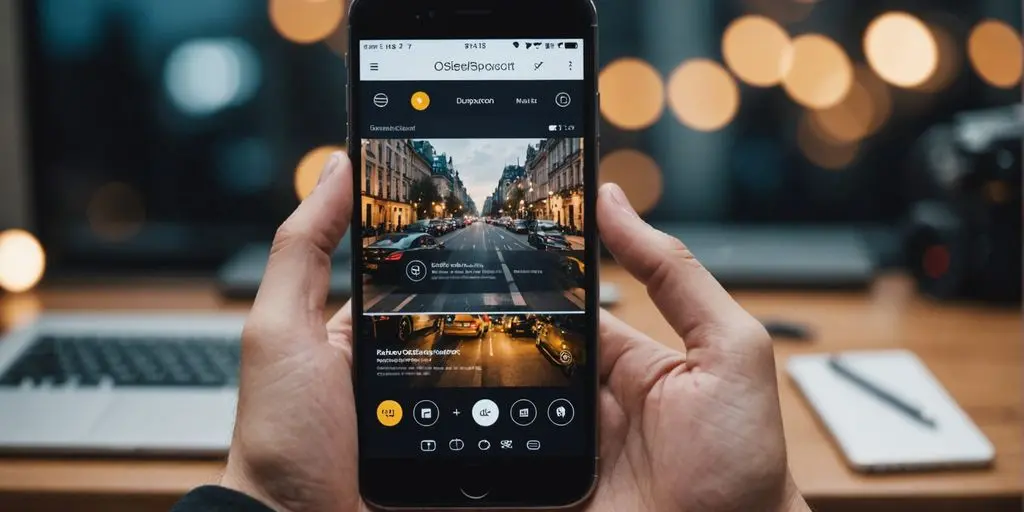
Digital design portfolio entries should show work at actual display size and in context — a social media post shown in a phone mockup rather than as a flat file, a website UI shown in a browser mockup rather than as a flat Figma export. Context communicates how the design performs in its real environment, which is the information a prospective client needs to evaluate whether the designer understands the medium.
The technical discipline that separates strong from weak digital design is visual hierarchy — ensuring the most important information (headline, price, call to action) is read first, and that secondary information supports rather than competes with it. For practical guidance on digital design composition, Canva’s visual design guide covers hierarchy and layout fundamentals applicable to social media formats. On a 1080×1080 px Instagram post viewed on a phone screen, a designer has approximately two seconds to communicate a clear message before the viewer scrolls past.

Typography Design
Typography is simultaneously the most technically demanding and most commercially undervalued element of graphic design. The typefaces a brand chooses, how they are sized and spaced, and how typographic hierarchy is applied across every touchpoint — from a business card to a billboard — determine whether the brand reads as premium, accessible, authoritative, or playful.
A typography portfolio entry demonstrates fluency with typeface pairing (combining a display font with a body font that creates contrast without conflict), typographic scale (a clear hierarchy of headline, subheading, body, and caption sizes that works across contexts), and type-as-image applications (typographic posters, logotype treatments, and lettering work where the letterforms themselves are the primary visual element).
For Indonesian brands, the typography challenge is bilingual application — Latin characters and Bahasa Indonesia text must be set with equal care and legibility. Typefaces that perform well in English do not always perform equally in Bahasa Indonesia due to differences in word length, diacritic frequency, and typographic rhythm. Use Google Fonts to identify typefaces with strong Bahasa Indonesia character coverage before committing to a brand typography system.

Environmental and Display Design
Environmental design applies graphic identity to physical spaces — retail interiors, office signage, wayfinding systems, exhibition stands, and event installations. This category is the most spatially complex discipline in graphic design: the designer must account for viewing distance, lighting conditions, material and surface properties, and the way a viewer moves through a space rather than viewing a static image.
Indonesian brands in retail, hospitality, and property are the primary clients for environmental design. A well-designed retail interior where signage, product displays, and brand elements are visually cohesive communicates brand quality before a single product is examined. A portfolio entry for environmental design typically includes both rendered visualisations and photography of the installed result — showing the gap between concept and execution is itself a demonstration of the designer’s project management capability.
What Separates a Strong Graphic Design Portfolio from a Weak One
Indonesia’s digital creative economy is growing rapidly — the demand for graphic design services across branding, digital marketing, and content production is expanding as more Indonesian businesses invest in professional visual communication. According to Statista’s Indonesia advertising market data, digital advertising expenditure in Indonesia has grown consistently year-on-year, and the design services that support it grow proportionally.
As the Interaction Design Foundation’s visual communication research establishes, the effectiveness of visual communication is measurable — not purely subjective. Click-through rates on digital advertising, conversion rates on landing pages, and brand recall studies all provide evidence that design quality has direct commercial impact. The strongest Indonesian creative agencies present this evidence alongside their portfolio work: not just “we designed this logo” but “this rebrand increased social media engagement by 40% in the first quarter.”
The specific qualities that distinguish a strong graphic design portfolio from a competent one are consistent across disciplines. Process documentation — showing sketches, concept explorations, and rejected directions alongside the final output — demonstrates strategic thinking rather than just execution ability. Contextual presentation — showing work applied in real environments rather than on flat white backgrounds — demonstrates an understanding of how design performs in the real world. And outcome evidence — client testimonials, metrics, or before-and-after comparisons — demonstrates that the work achieved its purpose.
For Indonesian clients evaluating a graphic design partner, the most reliable quality signals are: a portfolio with real named clients (not just anonymous case studies), work that shows consistency of quality across different briefs rather than a few showcase pieces surrounded by weaker work, and a clear articulation of the agency’s design process. Browse our work at the CWORKS creative portfolio — every project is shown with the brief context and the outcome it achieved.

Frequently Asked Questions
What should a graphic design portfolio include?
A strong graphic design portfolio should include 8–15 projects that demonstrate range across at least two disciplines — brand identity, print, digital, or typography. Each entry should show the design in context (applied to real materials or environments, not just flat on white), include a brief explanation of the brief and objective, and ideally show process work alongside the final output. Quality over quantity applies — ten strong projects shown with context outperform twenty mediocre ones shown as flat files. For agency portfolios, real client names and measurable outcomes strengthen credibility significantly.
What is the difference between graphic design and visual design?
Graphic design is the broader discipline covering all visual communication output — print, digital, brand identity, environmental, and motion design. Visual design is typically used to describe the subset of graphic design applied to digital interfaces — website and app UI, icon systems, and digital product aesthetics. In Indonesian agency contexts, the terms are often used interchangeably, but in UX and product design contexts, visual design specifically refers to the surface-level aesthetics of a digital product as distinct from its interaction design and information architecture.
How much does graphic design cost in Indonesia?
Graphic design pricing in Indonesia varies significantly by scope, provider type, and deliverable complexity. A single social media post from a freelancer typically ranges from IDR 100,000–500,000. A complete brand identity — logo, colour system, typography, and brand guidelines — from a specialist agency ranges from IDR 15–80 million depending on the depth of the brief and the agency’s track record. Print collateral design (brochure, flyer, banner set) typically ranges from IDR 2–15 million per project. The lowest-cost option and the most cost-effective option are frequently different — particularly for brand identity work where quality determines long-term commercial impact.
How do I find a good graphic design agency in Indonesia?
The most reliable evaluation method is reviewing the agency’s portfolio with three specific questions: does the work show range across different types of briefs, is the quality consistent across all projects rather than concentrated in a few showcase pieces, and are real client names and outcomes cited rather than anonymous case studies? Platforms like Behance show Indonesian designer work organised by discipline and quality. For agency-level work, requesting a capabilities presentation and asking for references from past clients in your industry provides additional verification beyond the portfolio alone.
Graphic design is not decoration — it is the visual language through which Indonesian brands communicate competence, value, and identity to their audiences. The five categories above each require distinct technical skills and a shared foundation in visual communication principles. The strongest portfolios demonstrate both: technical mastery within each category and a coherent design philosophy that connects the work across categories into a recognisable body of practice.
CWORKS is a Jakarta-based creative agency with a portfolio spanning brand identity, print collateral, digital design, and infographic production for Indonesian brands across retail, F&B, technology, and professional services. If you have a design brief — from a logo to a full brand system — discuss your project with the CWORKS team and we will respond with relevant portfolio work and a clear scope of what your brief involves.





![A Comprehensive Guide to Google Play Console Pricing [n8n]](https://cworks.id/wp-content/uploads/2025/09/cover-image-24622.avif)
![Understanding the Google Play Console Price: What Developers Need to Know [arvow]](https://cworks.id/wp-content/uploads/2025/05/4755037cthumbnail.avif)


















































 EN
EN  ID
ID