


Why Web Design Is More Important Than Ever
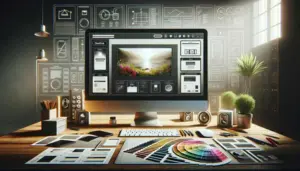
Web design is more important than ever in today’s digital age. Why web design is more important than ever? With over 1.8 billion websites on the internet, it is crucial to ensure that your website stands out and captures the attention of visitors. In this article, we will explore what web design is, the evolution of web design, its impact on branding and conversion, the latest web design trends, and the future possibilities of web design. Key Takeaways Why web design plays a crucial role in capturing and retaining the attention of website visitors. A well-designed website can create a memorable brand identity and influence user perception. Designing for conversion can turn visitors into customers and drive business growth. Staying ahead of web design trends is essential to stay competitive in the industry. The future of web design holds exciting possibilities with innovations like AI, voice user interface, virtual reality, and chatbots. Why Web Design is Important: Evolution from Basic to Beautiful The Early Days of Web Design: Aesthetics vs Functionality In the early days of web design, there was a constant battle between aesthetics and functionality. Designers were torn between creating visually appealing websites and ensuring that they were user-friendly and functional. It was a delicate balance that often resulted in websites that were either beautiful but difficult to navigate, or easy to use but lacking in visual appeal. Good web design is brilliant! Fortunately, as technology advanced and designers gained more experience, they were able to find a middle ground that combined both aesthetics and functionality. This led to the evolution of web design into the beautiful and user-friendly websites we see today. The Rise of User Experience: Designing for the User User experience (UX) is a crucial aspect of why web design is focusing on how users interact with a website is important. It goes beyond just aesthetics and includes factors such as layout, navigation, and overall functionality. The goal of UX design is to create a website that is intuitive and user-friendly, providing a seamless browsing experience. To achieve this, web designers incorporate graphic design principles such as feedback, hierarchy, simplicity, and consistency. These principles improve usability and optimize user interaction and accessibility. By understanding the needs and goals of your users, you can design a website that meets their expectations and enhances their overall experience. UX driven web design is friendly! Responsive Design: Adapting to the Mobile Era Upon a time, people accessed the internet using a desktop computer. Forget inflexible websites confined to desktop screens. Imagine a web page that transforms like a chameleon, adapting seamlessly to any device it lands upon. This, my friends, is the magic of responsive design – the art of crafting websites that dance across smartphones, tablets, and desktops, delivering a flawless experience regardless of the window size. Responsive web design is magic! Responsive design isn’t just a technical jargon; it’s a philosophical shift in website creation. The Importance of Accessibility: Designing for All Users Accessibility and inclusive design ensure that websites are accessible to all users, including those with disabilities. By embracing accessibility, websites not only comply with legal standards but also reach a wider audience, enhancing both usability and inclusivity. Here are some key considerations for designing accessible websites: Colour Contrast: Ensure sufficient contrast between text and background for better visibility. Alternative Text: Provide descriptive alternative text for images to assist users with visual impairments. Keyboard Navigation: Enable navigation through keyboard commands for users who cannot use a mouse. Designing for accessibility is not just a trend, but an ethical choice that allows everyone to access and engage with online content. As web designers, it is our responsibility to create websites that are inclusive and provide equal opportunities for all users. Amazing web design is amazing! Why Web Design is Important: Impact on Branding and Conversion Creating a Memorable Brand Identity through Web Design A memorable brand identity is crucial for any business or organization, and web design is part of a significant role in achieving this. The use of brand elements and logos helps establish a strong visual identity, making your website instantly recognizable. But it’s not just about the visuals. A well-designed website should also be easy to navigate and leave a lasting impression on visitors. By incorporating eye-catching visuals, interactive elements, and intuitive layouts, you can create a website that stands out from the competition and engages your audience. To create a memorable brand identity through web design, consider the following: Consistency: Ensure that your brand elements, such as colors, fonts, and logos, are consistent throughout your website. This helps reinforce your brand identity and makes your website more cohesive. Storytelling: Use your website design to tell a compelling story about your brand. Incorporate visuals and content that reflect your brand’s values, mission, and unique selling points. User Experience: Prioritizing user experience in your web design is a good thing. Make sure your website is easy to navigate, with clear calls-to-action and intuitive layouts. A positive user experience will leave a lasting impression on visitors. Mobile Optimization: With the increasing use of mobile devices, it’s essential to optimize your website for mobile. Ensure that your website is responsive and displays correctly on different screen sizes. Remember, your website is often the first interaction users have with your brand. Make it count by creating a memorable brand identity through web design. The Psychology of Color: How Web Design is Influencing Perception Color plays a significant role in web design, influencing how users perceive and interact with a website. Research has shown that color can evoke emotions, convey meaning, and even affect purchasing decisions. When choosing a color scheme for your website and branding, it’s important to consider the psychological impact of different colors. Here are some key points to keep in mind: Red is associated with energy, passion, and urgency. It can be used to grab attention and create a sense of excitement. Blue is often associated







 EN
EN  ID
ID