








Embracing the Future: Why Your Business Needs a Mobile First Strategy
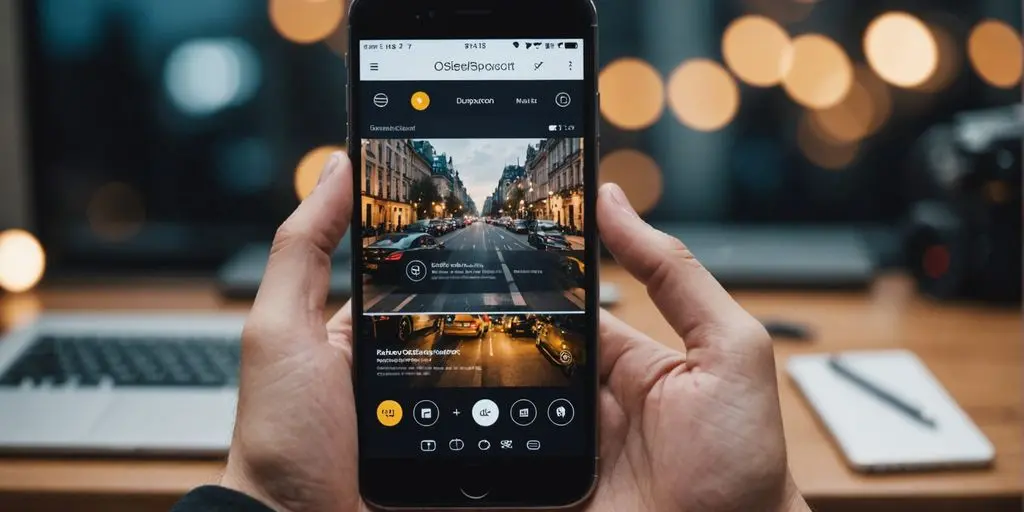
As we move further into a world dominated by mobile technology, adopting a mobile-first strategy is no longer just an option—it’s a necessity. This approach ensures that businesses stay relevant and can effectively reach their customers who are always on the go. In this article, we’ll explore why a mobile-first strategy is crucial for your business and how it can set you up for future success. Key Takeaways A mobile-first strategy is essential for staying relevant in today’s mobile-centric world. Designing for mobile enhances user experience and engagement. Mobile-first approaches boost customer interaction and retention. SEO practices must adapt to prioritize mobile optimization. Investing in mobile security is crucial for protecting user data and transactions. Mobile First: The New Business Imperative The imperative for mobile-first design is clear. It’s a strategic move that aligns with the evolving habits of users and the demands of modern technology. By prioritizing mobile, businesses can ensure their websites remain relevant and competitive in an increasingly mobile-centric world. Why Mobile First is No Longer Optional Mobile-first design is no longer optional; it’s a necessity. With 75 percent of internet use expected to come from mobile devices, businesses must adapt or risk becoming obsolete. This shift isn’t just about keeping up with trends; it’s about meeting the needs of a mobile-centric customer base. The Shift from Desktop to Mobile The transition from desktop to mobile is undeniable. More companies, from small local businesses to major enterprises, are adopting a mobile-first strategy. This shift is driven by the need to stay relevant and competitive in a world where mobile devices dominate internet usage. Key Drivers of Mobile-First Adoption Several factors drive the adoption of mobile-first strategies: User Behavior: People are increasingly using mobile devices for their internet needs. Technological Advancements: Innovations in mobile technology make it easier for businesses to adopt a mobile-first approach. Competitive Advantage: Companies that prioritize mobile are more agile and can better react to emerging challenges. Embracing a mobile-first strategy is not just about technology; it’s about understanding and meeting the needs of your customers in a mobile-centric world. Designing for Thumbs: User Experience in a Mobile-First World Designing for mobile isn’t just about shrinking your desktop site to fit a smaller screen. It’s about creating an experience that feels natural and intuitive for users who navigate with their thumbs. An essential part of mobile design is that it takes this into account, by putting ease of use with thumbs first as the main tool for navigation on smartphones. The Importance of Responsive Design Responsive design ensures your site looks great on any device, whether it’s a tiny phone or a large tablet. This mobile-first imperative requires a responsive design that ensures fluidity across a vast range of device screens. It delivers a consistent and optimized user experience, regardless of whether a user accesses your client’s site on a desktop or a smartphone. Touchscreen Navigation Tips Simple navigation is key; with limited screen real estate, a minimalist approach with intuitive touch controls is essential. Consider using a hamburger menu for a clean and accessible interface. Touch-friendly interactions are a must. Buttons and links should be easily tappable, and swipe gestures should be incorporated for smooth navigation. Fast loading times are imperative for keeping users engaged. Optimize images and scripts to ensure your site loads quickly on mobile devices. Streamlining Mobile User Interfaces While traditional design prioritized desktop design considering mobile UI a “secondary,” downsized version of a product, this new method offered a much leaner approach to design. Instead of building a full-fledged product to later find out that half of its capabilities cannot be implemented on mobile, you focus on what’s important initially and add more elements and features if needed later. Boosting Engagement: How Mobile First Enhances Customer Interaction Personalization Through Mobile In today’s fast-paced world, customers crave experiences tailored just for them. With a mobile-first strategy, businesses can tap into the power of personalization. Imagine receiving a special offer just as you walk by your favorite store. That’s the magic of mobile! By leveraging data and user behavior, companies can create unique, relevant experiences that keep customers coming back for more. Leveraging Push Notifications Push notifications are like the friendly nudges we all need. They remind users about new products, special offers, or even just to say hello. But be careful—too many notifications can be annoying. The key is to find the right balance. When done right, push notifications can significantly boost engagement and keep your brand top of mind. Mobile-Optimized Content Strategies Creating content that looks great on mobile devices is crucial. This means shorter paragraphs, catchy headlines, and visuals that pop. A mobile-first approach ensures that your content is easily digestible and engaging, no matter where your audience is. Remember, less is more when it comes to mobile content. Focus on delivering value quickly and efficiently. Embracing a mobile-first strategy isn’t just about keeping up with trends; it’s about staying ahead of the curve. By prioritizing mobile, you’re setting your business up for long-term success. Mobile First and SEO: A Match Made in Digital Heaven When it comes to SEO, a mobile-first strategy is like peanut butter to jelly—they just belong together. With Google’s mobile-first indexing, the search giant predominantly uses the mobile version of your content for indexing and ranking. This shift means that if your site isn’t optimized for mobile, you’re likely missing out on better search engine rankings and improved visibility. Google’s Mobile-First Indexing Mobile optimization isn’t just about meeting Google’s criteria; it’s about enhancing the overall user experience. The benefits extend beyond improved rankings to include a more engaging and accessible site for your users. Think of it as a win-win situation. SEO Best Practices for Mobile To get the most out of your mobile-first strategy, follow these best practices: Ensure your site loads quickly on mobile devices. Use a responsive design that adapts to various screen sizes. Optimize images and videos for faster loading times. Simplify navigation to make it thumb-friendly.







 EN
EN  ID
ID